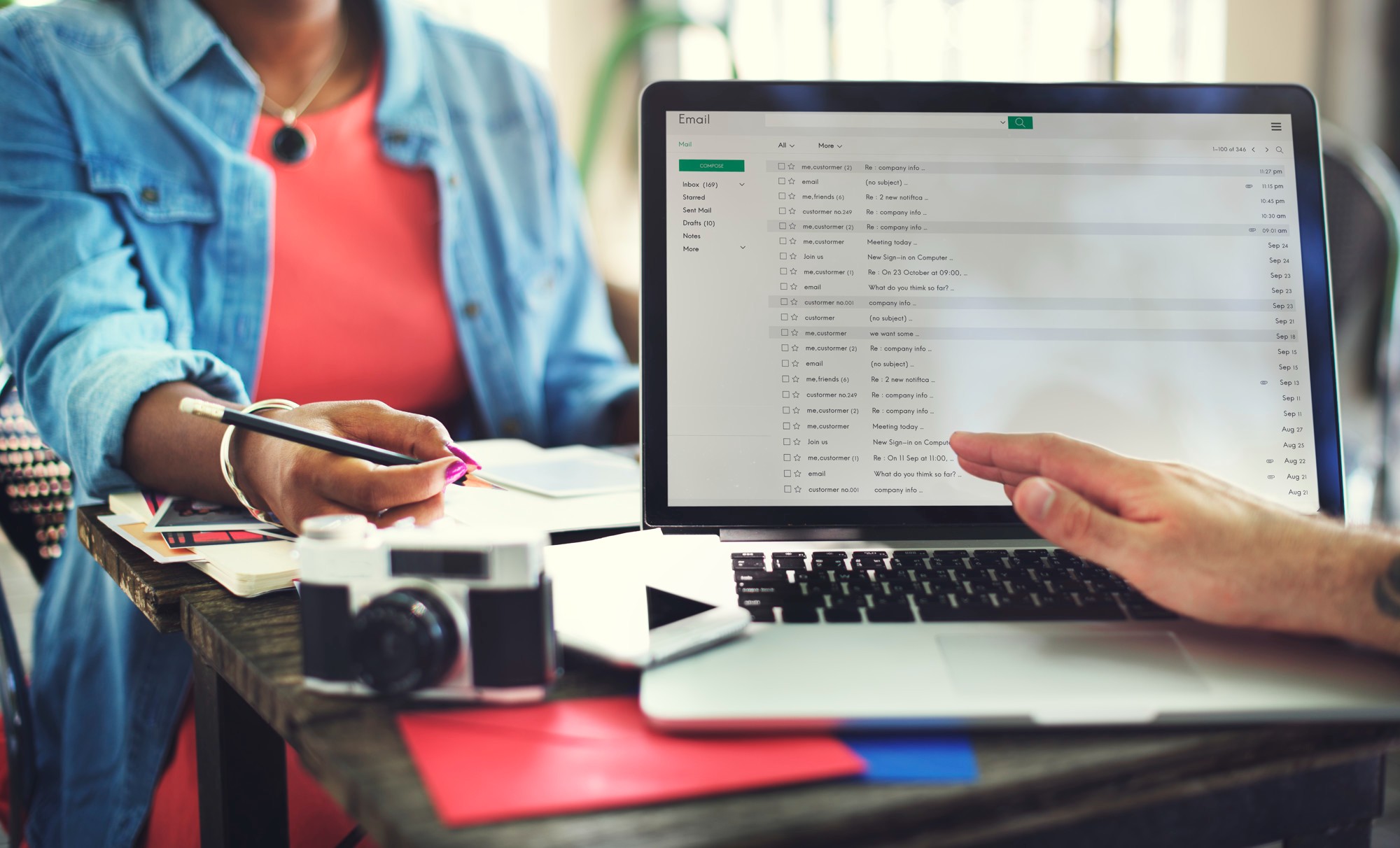
Email marketing remains one of the most reliable ways for nonprofits and ministries to stay connected with the people who support their mission. When done well, email marketing helps organizations share updates, build trust, and encourage giving without feeling pushy or repetitive. At M is Good, we work with nonprofits every day, and we have seen how a thoughtful email marketing approach can turn casual subscribers into lifelong supporters. This guide walks through practical steps your team can use to strengthen donor relationships through smarter email habits.
Why Email Marketing Matters for Nonprofits
Nonprofits and ministries often rely on limited budgets and small teams, which makes every communication channel count. Email gives organizations a direct line to supporters without the noise of social media algorithms deciding who sees your message.
A well-planned nonprofit email strategy allows your organization to:
- Share mission updates directly with people who already care
- Ask for support at the right moment, not just during year-end campaigns
- Keep donors informed about how their contributions are being used
- Build a sense of community around your cause
Unlike social platforms, your email list belongs to you. That means your message reaches the inbox instead of getting buried in a feed. Organizations that treat their nonprofit email strategy as a long-term relationship tool, rather than a one-time ask, tend to see stronger donor loyalty over time. At M is Good, we help organizations create meaningful connections through effective digital communication strategies.
Start With a Clean and Organized Email List
Before diving into automation or segmentation, your list needs to be in good shape. A cluttered or outdated list can hurt deliverability and make your emails less effective.
Remove Inactive Contacts Regularly
Go through your list every few months and remove addresses that consistently bounce or have not opened an email in a long time. This keeps your sender reputation healthy and improves the chances that your messages land in the inbox rather than the spam folder.
Collect Emails With Purpose
Every sign-up form, event registration, and donation page should include a simple way for people to join your list. Be clear about what they will receive, whether that is ministry newsletters, event invites, or impact updates. Setting expectations early reduces unsubscribes later.
Segment Your Audience for Better Results
Sending the same message to your entire list rarely works well. Segmentation means dividing your subscribers into smaller groups based on shared characteristics, so each group receives content that actually matters to them.
Common Ways to Segment a Nonprofit List
- First-time donors versus recurring donors
- Volunteers who have not yet given financially
- Event attendees interested in specific programs
- Long-time supporters who may respond well to legacy giving conversations
When donor emails are tailored to where someone is in their relationship with your organization, open rates and engagement typically improve. A first-time donor does not need the same message as someone who has given monthly for five years. Segmentation respects that difference.
Use Data You Already Have
Most nonprofits already collect useful information through donation forms, event sign-ups, and volunteer applications. Instead of letting that data sit unused, bring it into your email platform so you can group contacts based on their actual behavior and interests.
Automate the Right Moments in the Donor Journey
Automation does not mean losing the personal touch. It means making sure important messages go out consistently, even when your team is busy with other priorities.
Welcome Series for New Subscribers
When someone joins your list, a short automated welcome series can introduce your mission, share a recent story of impact, and explain how they can get involved. This sets the tone for the relationship from the very first message.
Donation Acknowledgment and Follow Up
A prompt thank you email after a gift is one of the simplest ways to build trust. Automating this step ensures no donor is left waiting, and follow-up messages a few weeks later can share how their contribution is making a difference.
Re-Engagement Sequences
Supporters who have gone quiet do not always need to be removed from your list right away. A short re-engagement sequence can remind them why they signed up and invite them back into the conversation before you consider removing inactive contacts.
Organizations exploring these workflows often find it helpful to review available email marketing services designed specifically for mission-driven teams, since setting up automation correctly the first time saves a lot of adjustment later.
Write Ministry Newsletters People Actually Read
Newsletters are often the backbone of nonprofit communication, but they can easily become long and text-heavy. A few adjustments can make a big difference in how supporters respond.
Keep the Focus on Impact, Not Operations
Supporters want to know what their generosity is accomplishing. Lead with a story, a testimony, or a specific outcome rather than internal updates that matter more to staff than to readers.
Break Content Into Scannable Sections
Most people skim before they read closely. Use short paragraphs, clear subheadings, and one main idea per section so readers can quickly find what interests them.
Include One Clear Next Step
Every newsletter should have a single, obvious action for the reader, whether that is registering for an event, watching a short video, or making a gift. Too many competing requests in one email tends to reduce response rates across the board.
Personalize Beyond the First Name
Personalization has grown well beyond inserting a subscriber’s name into the greeting line. True personalization reflects what you know about a person’s relationship with your organization.
Reference Specific Involvement
If someone attended a mission trip, volunteered at an event, or gave to a particular campaign, reference that in future emails. This shows supporters that your organization sees them as individuals, not just names on a list.
Match Tone to Audience
A message to a longtime board member should read differently than one sent to someone who just discovered your ministry through a community event. Adjusting tone and detail level based on familiarity helps every reader feel the message was written with them in mind.
Pay Attention to Timing and Frequency
Even great content can underperform if it arrives at the wrong time or too often.
Find a Sustainable Sending Schedule
Weekly emails work for some organizations, while biweekly or monthly updates suit others better. The right frequency depends on how much genuine content you have to share. Sending for the sake of sending often leads to higher unsubscribe rates.
Test Send Times
Donor behavior varies by audience. Some supporters check email early in the morning, while others engage more in the evening. Reviewing your open rate data over a few months can reveal patterns specific to your list.
Track What Actually Matters
Open rates and click rates are useful, but they are not the full picture for nonprofit email marketing.
Metrics Worth Watching
- Donation conversions tied to specific campaigns
- Growth or decline in list size over time
- Engagement trends among recurring versus one-time donors
- Unsubscribe patterns after specific types of messages
Reviewing these numbers regularly helps your team understand what resonates with supporters and where adjustments are needed. Small, consistent improvements often produce better long-term results than occasional large campaigns.
Building Stronger Relationships Through Consistent Communication
Email marketing works best for nonprofits and ministries when it is treated as an ongoing conversation rather than a series of isolated asks. Clean lists, thoughtful segmentation, timely automation, and genuine personalization all work together to build trust with the people who make your mission possible.
At M is Good, we understand that every nonprofit has a unique story and a unique community behind it. If your organization is ready to strengthen donor relationships through better email practices, our team would be glad to help you build a plan that fits your mission. Feel free to reach out and start a conversation about how we can support your next campaign.
Frequently Asked Questions
1. How often should nonprofits send emails to their list?
There is no single answer that fits every organization. Many nonprofits find success sending one to two emails per month, while active campaigns or events may call for more frequent updates. The key is matching frequency to the amount of meaningful content you have to share.
2. What is the difference between a newsletter and a donor email?
A newsletter typically shares broader updates about programs, events, and impact, while a donor email is often more targeted, such as a thank-you message or a specific campaign appeal. Both play a role in a complete nonprofit email strategy.
3. How can a small nonprofit start with email segmentation?
Start simple. Divide your list into just two or three groups, such as donors and non-donors, or new subscribers and long-term supporters. As your data grows, you can refine these segments further.
4. Does automation make emails feel less personal?
Not when it is set up thoughtfully. Automation ensures timely, relevant messages go out consistently, and content can still be written in a warm, personal tone that reflects your organization’s voice.
5. What is the best way to grow an email list for a ministry or nonprofit?
Offer clear opportunities to sign up at every touchpoint, including your website, events, and donation pages. Being transparent about what subscribers will receive helps attract people who are genuinely interested in staying connected.